This preview was written by ABAI Practice Board member Mychal A. Machado. Additionally, Claudia Drossel and Rebecca Hotchkiss were privileged to meet up virtually with Markie Twist to provide a preview of her presentation at the 52nd Annual Conference on Sunday May 24th at 3pm. See here for further details.
At the 2026 meeting of the Association for Behavior Analysis International, Markie Twist, PhD, will present Human-Technology Relationships: Digital Health and Attachment Considerations as part of the B. F. Skinner Lecture Series. Although this topic might not immediately appear central to behavior analysis, it directly engages questions that are foundational to the field.
Digital platforms, ranging from social media to AI-driven interfaces and wearable technologies, function as complex systems of reinforcement. They shape patterns of attention, social interaction, emotional responding, and health-related behavior through continuously evolving contingencies. In this sense, digital environments are not simply tools; they are active contexts in which behavior is learned, maintained, and generalized.
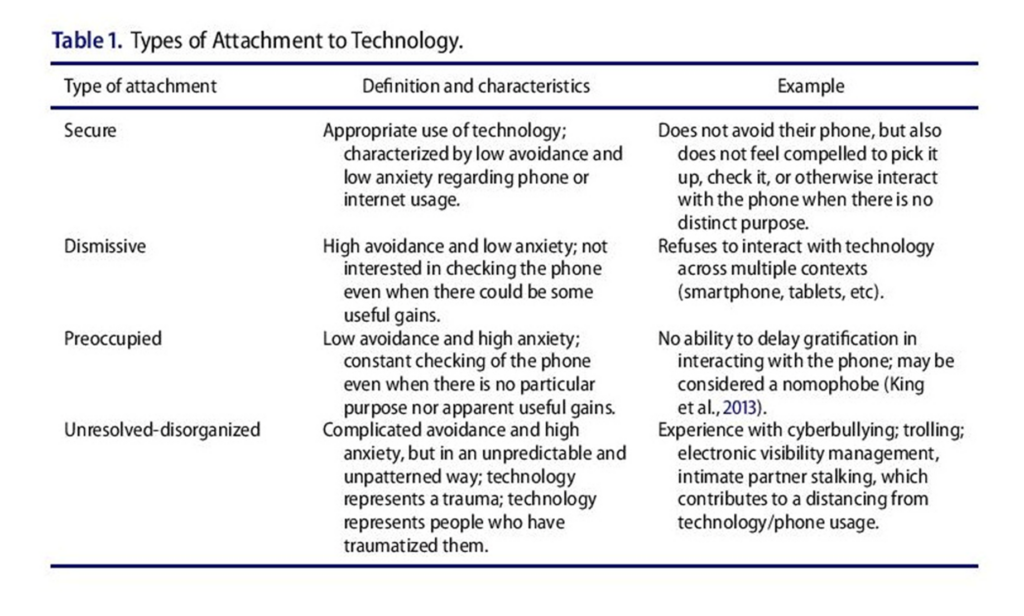
Dr. Markie’s work on digiattachment provides a compelling framework for understanding these processes. From a behavior-analytic perspective, attachment can be conceptualized as a history of reinforcement, shaping patterns of proximity-seeking and relational responding. As digital systems increasingly mediate, or in some cases replace, human interaction, they begin to participate in these reinforcement histories in meaningful ways.
This shift raises important questions for practice and research:
- How do algorithmically curated environments alter reinforcement density, variability, and persistence?
- What are the effects of continuous, on-demand reinforcement on sensitivity to change or extinction?
- How do immersive technologies establish new forms of stimulus control across social and clinical contexts?
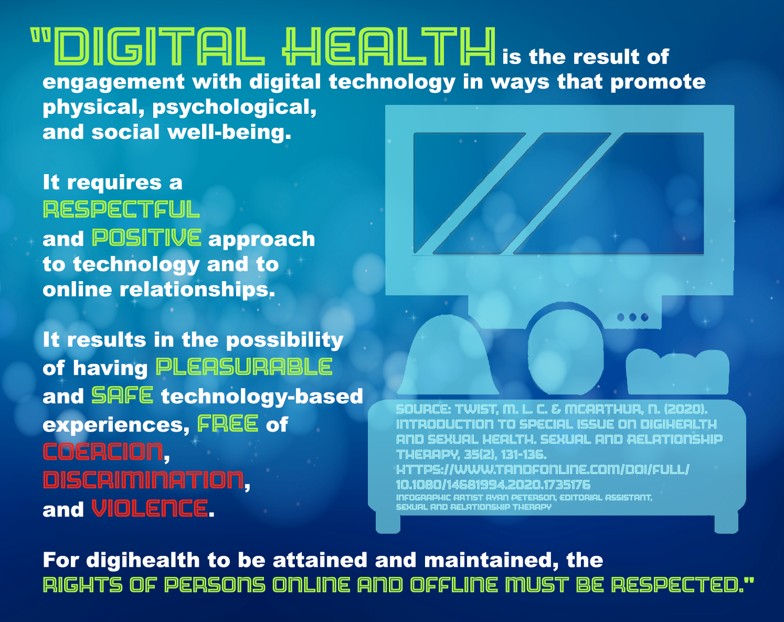
Relatedly, the concept of digihealth highlights the growing role of digital systems in service delivery. From intervention platforms to data collection and client engagement, these technologies are now embedded in many areas of applied work. For behavior analysts, this creates both opportunity and responsibility: to understand how these systems influence behavior and to use them in ways that promote meaningful, durable outcomes.
Importantly, this session represents an opportunity to extend behavior analysis. Drawing from family therapy and relationship science, Dr. Markie offers frameworks that can support the analysis of human-technology interactions in applied settings.
As the environments in which behavior occurs continue to evolve, so too must the scope of our analysis. The question is no longer whether digital systems are relevant to behavior analysis, but how precisely we will account for their role.
This B.F. Skinner Lecture offers a timely opportunity to begin that work.